


Kitchen Essentials
Choosing the Right Non-Toxic Pans for Your Kitchen
This article explores the importance of choosing the right pans, highlighting how quality, non-toxic cookware can elevate your culinary creations while safeguarding your well-being, a principle that aligns with the chef-approved quality you'd expect from a thoughtful kitchen supplier like Yui's Kitchen.

Beyond the Recipe – The Cookware That Cares for Your Food
In our quest for healthier lifestyles and delicious home-cooked meals, we often focus on the quality of ingredients, the precision of our cooking techniques, and the balance of flavours. However, an often-overlooked hero in the kitchen is the cookware itself. The pans we use to sear, sauté, simmer, and bake can significantly impact not only the taste of our food but also its healthfulness. Concerns about certain cookware materials leaching unwanted chemicals into our meals have led many health-conscious home cooks to seek out non-toxic alternatives
This article explores the importance of choosing the right pans, highlighting how quality, non-toxic cookware can elevate your culinary creations while safeguarding your well-being, a principle that aligns with the chef-approved quality you'd expect from a thoughtful kitchen supplier like Yui's Kitchen.
Why Your Pan's Material Matters More Than You Think
When you're browning onions or simmering a sauce, the material of your pan is in direct contact with your food, often at high temperatures. Traditional non-stick coatings, for instance, have faced scrutiny over the years due to chemicals like PFOA (perfluorooctanoic acid) and PTFE (polytetrafluoroethylene), which, when overheated, could release fumes or particles. While many modern non-stick pans are PFOA-free, the broader concern for minimising chemical exposure in our food preparation remains valid.
Similarly, uncoated aluminium pans, while excellent heat conductors, can react with acidic foods like tomatoes or citrus, potentially leaching aluminium into your meal and imparting a metallic taste. Understanding the properties of different cookware materials can empower you to make choices that are better for both your palate and your health.
Unveiling the Benefits of Non-Toxic & Healthier-Choice Pans
Opting for pans made from materials recognised for their safety and stability offers several advantages:
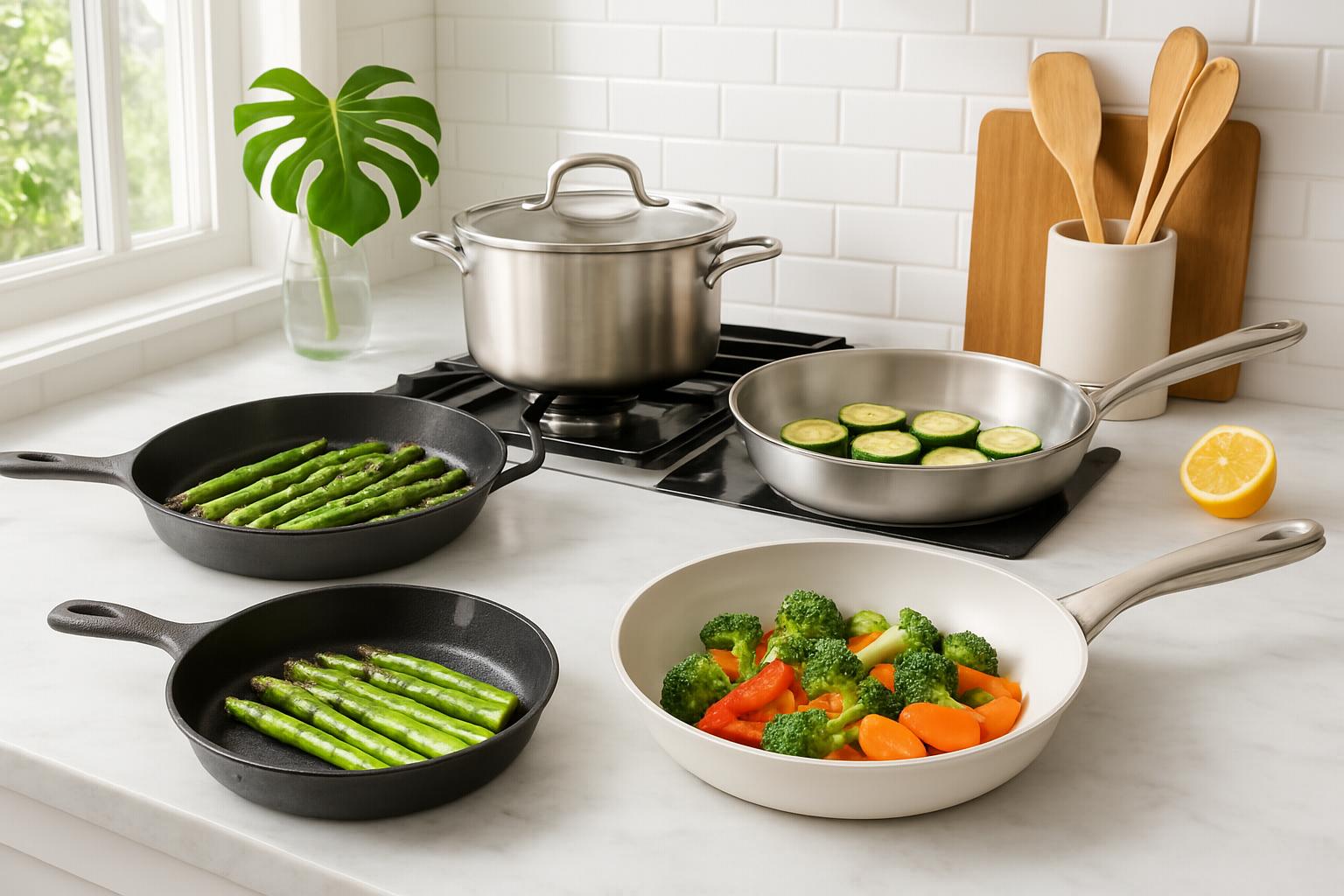
- Enhanced Health and Safety: The primary benefit is peace of mind. Using pans made from materials like stainless steel, cast iron, ceramic, or glass significantly reduces the risk of harmful chemicals transferring to your food. This is especially important when cooking for children or individuals with sensitivities.
- Purer Flavours: Non-reactive cookware materials ensure that the taste of your ingredients shines through without any metallic or chemical aftertaste. Acidic foods, in particular, maintain their intended flavour profile.
- Superior Durability and Longevity: High-quality pans made from robust materials are built to last. Unlike some coated pans that can scratch or degrade over time, materials like cast iron or heavy-gauge stainless steel can withstand years of use, making them a sustainable and cost-effective investment.
- Improved Cooking Performance: Many healthier pan options offer excellent heat distribution and retention. For example, cast iron is renowned for its ability to maintain even heat, perfect for searing meats or baking. Stainless steel also provides consistent heating, allowing for precise temperature control.
Exploring Healthier Cookware Options for Your Kitchen
When looking to upgrade your cookware with health in mind, consider these excellent materials:
- Stainless Steel: A workhorse in both professional and home kitchens, stainless steel is durable, non-reactive, and resistant to rust and corrosion. It heats evenly and can handle high temperatures, making it versatile for various cooking methods. Look for pans with a heavy, multi-ply base for optimal heat distribution. Many high-quality kitchen essentials often feature stainless steel for its reliability.
- Cast Iron: Treasured for generations, cast iron pans are virtually indestructible. When properly seasoned, they develop a natural non-stick surface and are excellent for high-heat searing, frying, and even baking. They also retain heat exceptionally well, keeping food warm. Furthermore, cooking in cast iron can add small amounts of dietary iron to your food.
- Ceramic-Coated Pans: For those who prefer a non-stick surface without the concerns of traditional coatings, ceramic-coated pans (ensure they are certified free of PFOA, PTFE, lead, and cadmium) offer a good alternative. They provide easy food release and cleanup. However, the ceramic coating can be prone to chipping over time if not handled with care.
- Glass and Oven-Safe Ceramic (e.g., Corningware): These are excellent for baking, casseroles, and storing food. Glass is non-reactive and doesn't absorb food odours or flavours. While not typically used on the stovetop for frying, they are a staple for oven-based cooking and serving.
Making the Switch: Tips for Choosing and Maintaining Your Pans
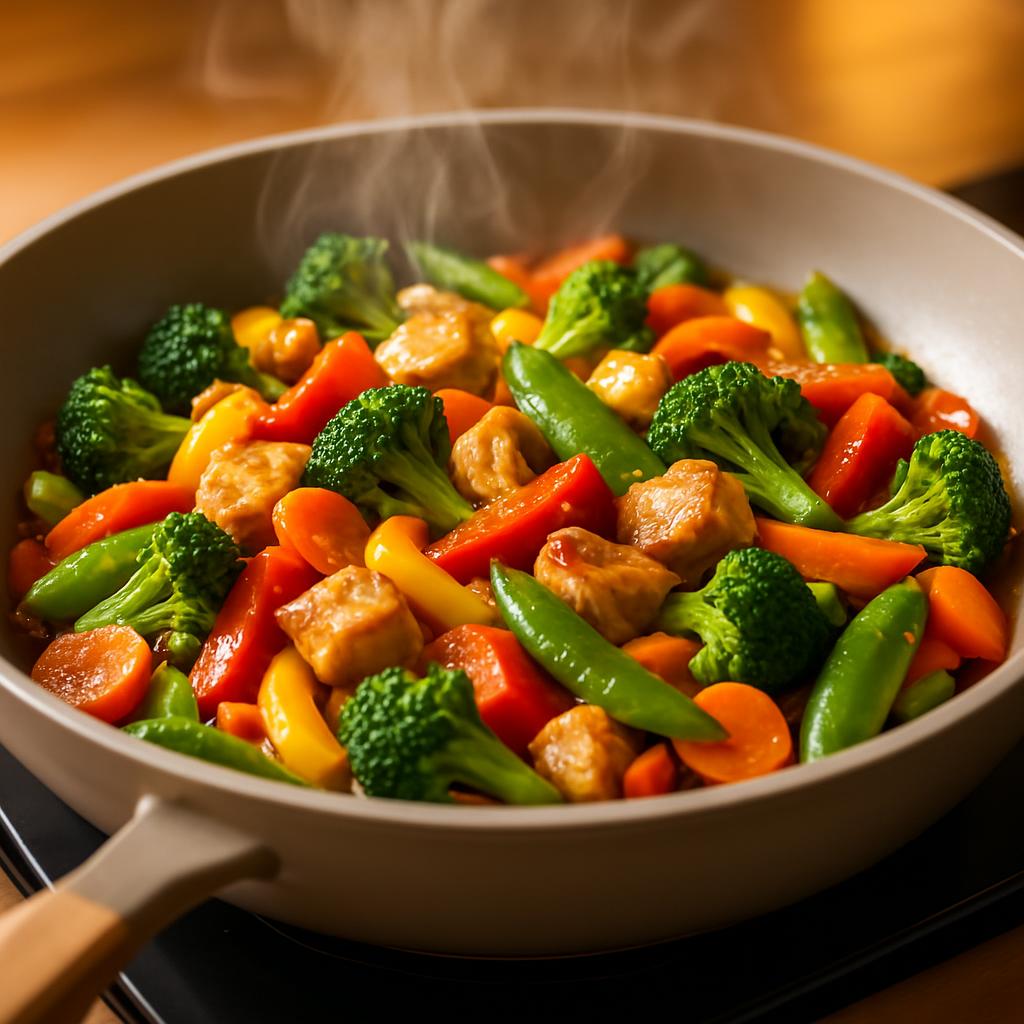
When selecting new pans, prioritise those made by reputable brands that are transparent about their materials. Read reviews and, if possible, handle the pans to assess their weight and build quality. Remember that investing in good-quality cookware, like the kind championed by Yui's Kitchen for their chef-selected tools, is an investment in your long-term health and cooking enjoyment.
Once you have your healthier pans, proper care will extend their life and performance:
- Always follow the manufacturer's instructions for use and cleaning.
- Avoid using metal utensils on non-stick or ceramic surfaces to prevent scratching.
- Season cast iron pans regularly to maintain their non-stick properties.
- Don't subject pans to extreme temperature changes (e.g., running a hot pan under cold water), which can cause warping.
Conclusion: Cook with Confidence, Savor the Flavor and Health
Choosing the right cookware is a fundamental step towards creating meals that are not only delicious but also contribute positively to your well-being. By opting for pans made from non-toxic, durable materials, you invest in the quality of your food and the health of your family. While the initial cost might be slightly higher, the longevity, performance, and peace of mind offered by quality cookware make it a worthwhile endeavour.
As you strive for culinary excellence in your home kitchen, remember that the tools you use play a vital role. Equip your kitchen thoughtfully, and enjoy the journey of creating wholesome, flavourful meals, knowing your cookware supports your healthy choices, much like the ethos behind every product at Yui's Kitchen.


